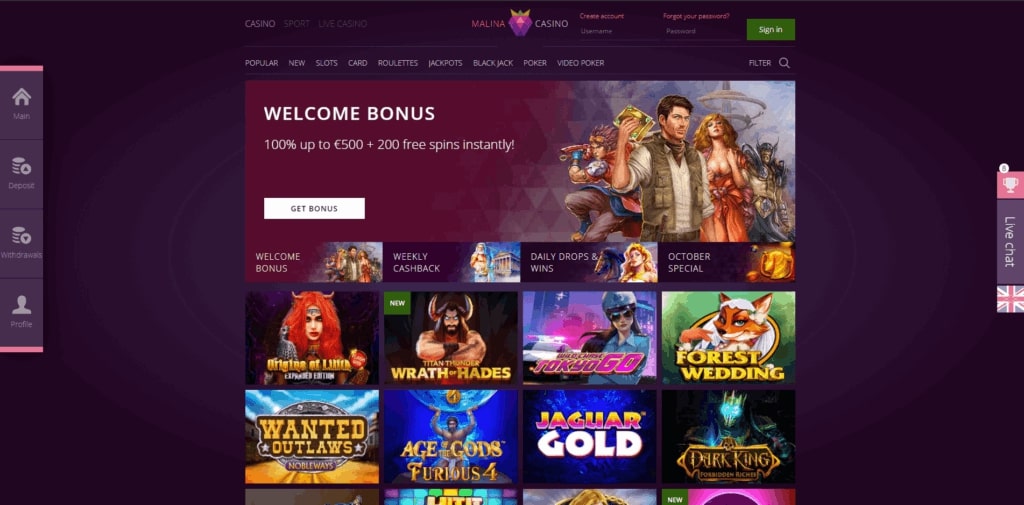
Every player who takes a seat at a virtual table expects a specific experience. A predetermined spending cap turns a potentially difficult morning into simply a log of decisions taken. Casinos governed by European licensing, such as platforms that accept players from Belgium, now build loss limits right into their account management interfaces. Malina Casino views these tools not as an afterthought but as a core feature outlined on its responsible gambling page. The logic is clear: a player chooses a ceiling they are comfortable losing over a set period, and the system enforces it without needing a burst of heroic willpower at two in the morning when reasoning naturally diminishes.
Why a Hard Cap Protects More Than Willpower
The way humans decide after repeated setbacks declines in predictable ways. Research into the neurology of gambling demonstrate that near misses and periodic minor victories stimulate dopamine releases that can overpower the rational cost-benefit assessments a person performs when calm. A loss limit functions as a pre-commitment device, a choice made by a rested, clear-headed individual that binds a tired, frustrated future self. Once the cap is set, the player isn’t required to call on willpower; they simply encounter a blockade. This is especially valuable in Belgium, where a tradition of restraint and prudent monetary planning makes the concept of a voluntary budget feel instinctive rather than coercive. The limit becomes a objective financial tool, similar to a spending alert on a bank app.
How Loss Limits Operate in Application
When a customer sets a loss limit, the casino’s engine begins monitoring every wager in real time. The calculation does not halt for free spins or bonus rounds. If a game of blackjack uses €10 of the remaining €50 headroom and the hand loses, the available loss buffer drops immediately to €40. The moment the cumulative difference between deposits plus wins and the total amount wagered exceeds the ceiling, the system suspends play. Most reputable operators, including Malina Casino, apply the limit across the entire account rather than per individual game, preventing the old trick of opening a different slot to bypass a restriction. Cooling-off periods before the limit can be relaxed are also standard, and those waiting periods are deliberately designed to prevent impulsive reversals.
Immediate Enforcement During a Session
There is no pause between hitting the limit and the session ending. The software interrupts a spin halfway if the loss occurs on that action, and the screen typically displays a clear message explaining why play is suspended. Because the lock is server-side, closing the browser won’t circumvent it. This immediacy protects the player from the mental negotiation that often occurs when a limit is self-imposed by willpower alone. In Belgium, where the Gaming Commission requires strict player protection measures, platforms must ensure that this enforcement is absolute and cannot be overridden by customer support on a whim. The technical architecture makes the decision irreversible until the calendar resets, eliminating the possibility of a quick ask for an exception.
Differentiating Limits from Deposit Controls
A common mix-up is equating loss limits with deposit caps https://malina-casino.eu/verantwoord-spelen/. They are supplementary but distinct. A deposit limit restricts how much money can enter the gambling account, while a loss limit restricts how much of that deposited or won money can actually be lost. A Belgian player might deposit €200, win a quick €100, and then see their balance at €300. A daily loss limit of €100 would still trigger when net losses reach that threshold, even if the original deposit was higher. This distinction counts because it protects winnings as well as bankroll. Without a loss limit, a player who gets ahead early might give everything back and more, a scenario the tool explicitly prevents.
Belgian Resources and Expert Support Services
Loss limits are a strong first line of defense, but some cases demand a human discussion. Belgium maintains a network of help centers that function in Dutch, French, and German to align with the country’s linguistic landscape. The Centre de Référence du Jeu Excessif, connected to the CHU Brugmann in Brussels, offers psychological counseling exclusively for gambling-related issues. The non-profit organisation Le Pélican manages awareness initiatives and family support programs across Wallonia and the Brussels territory. For Flemish users, the VAD (Vlaams expertisecentrum Alcohol en andere Drugs) offers a dedicated gambling help section that includes everything from self-tests to meetings with trained advisors. These resources are discreet and often no-cost at the point of access for Belgian residents.
Beyond the therapeutic environment, peer support groups such as Gamblers Anonymous hold regular meetings in Antwerp, Ghent, Liège, and Brussels. The Belgian Gambling Commission keeps an current list of licensed therapists on its public website, and its intervention service can be accessed through a dedicated phone number. The system is structured so that a user who starts with a simple spending cap on a gaming site like Malina Casino knows exactly where to turn if that step proves not enough. The move from self-help to external help is made seamless because every regulated provider in Belgium is mandated to show clearly prominent links to these supports within the responsible gambling area of its site, guaranteeing no one has to look on their own.
Setting up Loss Limits on Malina Casino
A player browsing the responsible gambling section of Malina Casino will find the loss limit tool presented alongside deposit, stake, and time-limited options. The interface is built for simplicity over flash. After logging in, the player goes to account settings, activates the responsible gaming panel, and chooses the loss limit tab. From there, a straightforward numerical entry field emerges with a calendar selector for the period type. Once a figure is entered, the system confirms the limit and dispatches an automated email, creating a log that Belgian consumer protection guidelines recommend. The platform enforces the cap right away if the amount is less than any previous setting. For higher amounts, the change only turns effective after a 24-hour reflection window, a standard aligned with Belgian gambling legislation.
What Exactly Are Casino Loss Limits
A spending cap is a fixed ceiling set by the player or presented by the operator that halts further wagering once net losses reach a defined amount. Net loss is determined as total stakes minus total wins during the set interval. If a Belgian player configures a daily loss limit of €50 and undergoes a run of bad luck that pushes them into a €50 deficit, the platform blocks any additional bets, deposits, or buy-ins until the following period begins. This is not an advisory or a pop-up reminder; it is an system-enforced block. The concept stemmed in the land-based sector with self-imposed cash envelopes, but the digital environment makes it much more dependable because the software has an exact tally of every cent moving through the account.
Various Timeframes for Defining Boundaries
Players don’t all operate wired the same way, so a single blanket timeframe would fall short. The most practical platforms break loss limits into daily, weekly, and monthly options, each serving a different rhythm of play. Daily caps work for those who log in for brief sessions after work and want to cap single-evening damage. Weekly limits attract people whose leisure time is focused on weekends. Monthly ceilings provide a panoramic view that accommodates occasional bigger sessions while maintaining a firm grip on the overall budget. In Belgium, where responsible gambling messaging often highlights the importance of blending gambling expenditure into a regular household budget, the monthly loss limit naturally reflects a utility bill or subscription cost, making the expense easier to understand.
Daily Loss Caps
A 24-hour limit is the most responsive guardrail because the reset comes fast. If a player sets a €30 daily ceiling and reaches it after a short session, the lockout lifts the next morning. That quick reset can be a double-edged sword, so industry best practice often recommends pairing a daily loss limit with a deposit or time limit to prevent consecutive days of rapid hitting. Malina Casino allows players to adjust their daily figure downward at any time, with the change taking effect instantly, while any increase request encounters a mandatory cool-down. This asymmetric adjustment policy shields the player from spur-of-the-moment decisions to raise the ceiling after a frustrating loss.
Weekly and Monthly Horizons
Weekly limits reset on a fixed calendar day chosen by the operator or, in some cases, customised by the player. A €200 weekly loss limit provides space to spread play across several days but still imposes a hard stop on a bad streak. Monthly limits operate on a wider lens. A Belgian resident who sets aside €300 a month for entertainment might set that as a loss cap, knowing that even if a single Saturday wipes out half of it, the rest of the month still has breathing room. The psychological benefit of the monthly window is its direct correspondence with salary cycles. Households tend to think in monthly financial terms, and syncing the gambling boundary with that natural rhythm reduces the mental load of tracking.
Contrasting Loss Limits with Other Responsible Gambling Tools
Loss limits do not function alone. A full responsible gambling strategy layers several barriers, each capturing what another might miss. Where loss limits restrict the negative side of the balance sheet, other tools control time, deposits, or access altogether. Malina Casino unifies all of them into a single dashboard precisely because they serve overlapping yet distinct functions. The interplay is significant. A player who only sets a loss limit might still spend every evening pursuing a rebound, which is where session time limits step in. Someone who only limits deposit amounts might simply win and then lose everything above the original deposit. Knowing the different tools enables Belgian customers to construct a personal safety net with the appropriate tension.
Deposit Restrictions and Session Timers
A deposit limit prevents money from entering the gambling ecosystem in the first place. It is the bluntest instrument and often the first one enabled. A session time limit, sometimes called a reality check, tracks consecutive minutes logged into the platform and issues a notification at chosen intervals before eventually requiring a logout. When combined with a loss limit, the trio encompasses money in, money lost, and time spent. A Belgian office worker who deposits €50, sets a €40 loss limit, and activates a 60-minute session timer has essentially defined the entire gambling experience within boundaries that no single tool could apply alone. The session clock also works to interrupt the trance-like state that extended play can cause.
Self-Banning and Cooling-Off
For players who need a longer break, self-exclusion grants a period ranging from six months to several years during which the account is completely blocked. Unlike a loss limit, which still allows play within a boundary, self-exclusion closes the door entirely. Cooling-off periods occupy the middle ground, typically lasting a few days to a few weeks, and serve as a reset button for someone who notices their limits are being hit too frequently. In Belgium, the national self-exclusion register EPIS lets a player to block access to all legal gambling venues, both online and land-based, with a single registration. Malina Casino honors EPIS status, ensuring that a player who has taken that step cannot inadvertently open an account.
Leave a Reply