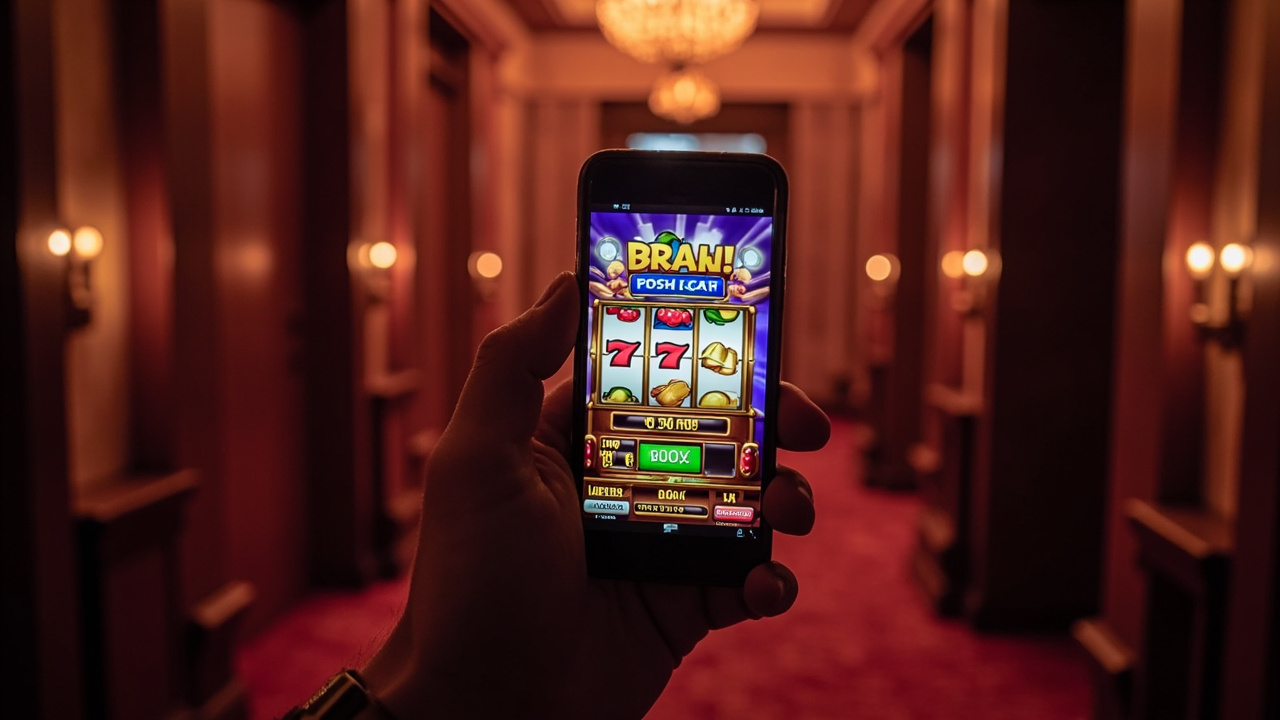
The first question I ask when someone talks about a new online casino is whether the lobby actually suits the way they play, not just whether it looks busy. I spend most of my week mapping wagering flows and racing entry points, so I tend to judge a pokies environment by how quickly a player can move from search to a sensible spin without wrestling the navigation. That mindset matters here, because spin after weighing pokies pros cons is really a fit exercise: you are deciding whether the game mix, the pacing, and the practical setup match the session you actually want.
Spin After Weighing Pokies Pros Cons for a Session-First Player
A session-first player is usually after a lobby that surfaces the right slots without making them click through a wall of table thumbnails first. In a well-organised lobby, the mix leans toward video pokies with clear volatility labels, a smaller but tidy collection of table games, and live dealer content that sits in its own tab rather than competing for the same screen space. Discovery should work the way a product manager would expect: search by provider, filter by paylines or bonus features, and a recent-play row that does not reset every time you refresh. When I compare that setup to the way a racing product handles market sorting, the principle is the same – the right options should appear before you start hunting. If you are someone who likes to settle on a single machine for an arvo and stop, a lobby that buries the good options under generic categories will wear you down before the first spin.
The cleopatra slot machine is the kind of title that works when it is easy to find and easy to read, not when it is hidden behind a cluttered carousel. A practical lobby will give it a clean card, show the basic return information, and let you launch without three extra taps. That matters because the session-first player is not trying to browse for the sake of browsing; they want a clear path from choice to play and a way to step back without losing the thread. If the lobby can hold that line, the pokies side of the house feels like a tool rather than a maze.
That same philosophy carries through to the rest of the interface, where quick filters and plain-language paytables keep the experience smooth from the first spin to the final bonus round. You can see how this streamlined layout works in practice by visiting cleopatra slot machine, which demonstrates why uncluttered navigation consistently outperforms crowded menus. Ultimately, players reward titles that respect their time, making accessibility and readability just as important as the underlying math.
Spin After Weighing Pokies Pros Cons When You Want Table and Live Variety
A different player-fit scenario is the one who wants pokies as one part of a broader evening, with table games and live dealers carrying some of the weight. Here the review focus shifts from slot count to how the lobby separates the two experiences. A decent setup will keep the slots lobby distinct from the live lounge, with table limits, dealer hours, and game rules visible before you commit. The mix should include the usual range of blackjack, roulette, and baccarat tables, plus a handful of live titles that do not feel like they were glued on as an afterthought. I have seen wagering products where the table section is clearly built by people who understand position and pacing, and that same discipline shows up when the live tab is laid out properly.
For this player, the pros and cons of a pokies-heavy lobby are not really about the slots themselves. They are about whether the rest of the house supports a switch in tempo without making you restart your session. If the lobby treats table and live content as an equal lane, you can move from a pokies spin to a live table without feeling like you have crossed into a different product. If it does not, the whole experience starts to feel like two separate sites stitched together, and that is the kind of friction I would flag in a product review before I said anything about bonuses.
A Common Misconception About Weighing Pokies Pros and Cons
One misconception I hear often is that weighing pokies pros and cons is mostly about counting how many titles are on the menu. The reality is more nuanced, because a long list of slots does not automatically make a lobby better for the people using it. A catalogue can look impressive and still be awkward to search, poorly labelled, or dominated by a narrow band of providers while the rest of the room sits quiet. The practical question is whether the lobby helps you find a game that suits your tempo, your bankroll plan, and the kind of session you want to sit through.
That nuance matters because the same player can have very different needs on different days. One afternoon you might want a single pokies title with a simple bonus structure and a short session, and another night you might want a broader sweep of table and live options. A lobby that only impresses on paper will not hold up when you are actually moving between those modes. The better check is whether the lobby’s organisation, search, and discovery tools stay useful when your plan changes, not just when you are counting games from a screenshot.
Spin After Weighing Pokies Pros Cons and the Registration and Payments Reality
The practical side of any fit check includes registration, payments, and the way the product handles currency and verification. A lobby can look great and still lose its footing if the sign-up flow is clunky or the payment options do not match the way you want to move money in and out. In a product I would trust for regular play, the registration steps are straightforward, the currency is clear from the start, and the payment range is presented without making you guess which methods are actually available for your account. I have spent enough time on wagering flows to know that a messy onboarding step can sour a otherwise solid game lobby, so this is not a side note.
Mobile matters here too, because a lot of pokies play happens on a phone during a break or after work, not only at a desktop. A lobby that is built with mobile in mind will keep the search and filter tools readable on a smaller screen, and it will not make you pinch and scroll just to confirm a game’s basic details. Support and loyalty should fit the same practical tone: help that is easy to reach when you have a real question, and a rewards structure that does not feel like it was designed to distract you from the actual play. If those pieces line up, the pokies side of the house has a much better chance of matching the session you planned.
How to Work Through a Fit Check Before You Play
- Decide what kind of session you want first, whether that is a single pokies title, a mix of slots and tables, or a live dealer evening.
- Open the lobby and test the search and filter tools before you commit any time to a specific game.
- Check whether the slots, table, and live sections are separated clearly, so you can move between them without losing your place.
- Confirm the registration steps, currency, and payment options are clear enough that you are not guessing during sign-up.
- Look at the mobile layout on your actual device, not just the desktop version, and note whether the same tools are easy to use.
- Read the support and loyalty details with the same practical eye you would use for any other product flow.
A good fit check ends with a clear answer, not a vague feeling that the lobby looked fine. If the game mix, the lobby organisation, and the practical setup all point the same way, then the pokies side of the house is doing its job. If one of those pieces is off, you have probably found the real pros and cons, and that is the detail worth holding onto before you spin.